Wavelength
Wavelength
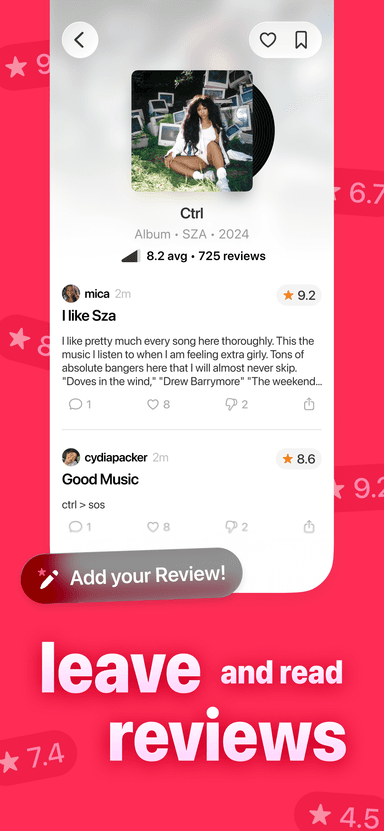
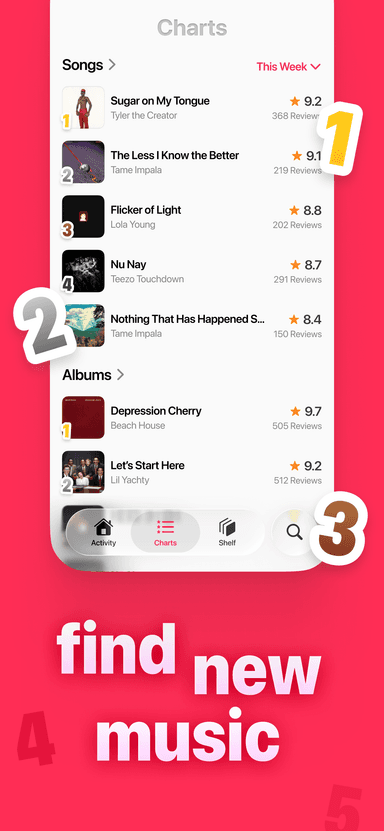
Rate and discover music with friends
pitchfork

pitchfork

VICTORY

VICTORY

Slick Rick (2025)

6.7/ 10

All these years later, Rick’s sing-songy, slick-worded autofiction still sounds like he’s walking on air.

One of the funniest, flyest, and greatest rap albums ever is 1988’s The Great Adventures of Slick Rick. With his swanky flow and ability to inhabit multiple characters on the same song, Slick Rick told madcap stories of all that can go wrong—crooked cops, dope fiends, boring jobs—when you’re just a young dude in New York tryna’ hangout, get a lil’ bread, get laid, and fall in love. His storytelling was real as hell (is there anything more relatable than when he shoots his shot with Mona Lisa by buying her a slice of pizza?) and straight out of a fantastical comic strip at the same time. But like many of the hip-hop pioneers of the 1980s, he isn’t endlessly mythologized in cross-generational online conversation nowadays, nor is he the mega-rich Roc Nation brunch mogul that some big ’90s rap superstars became. If that’s the kind of thing you value, then it didn’t help that for a large chunk of the ’90s, while the genre was in the midst of a commercial boom, Rick was in jail on an attempted murder charge.

By the time he returned to form with the pretty good The Art of Storytelling in 1999, he was an idolized veteran in his mid-30s in a radically changed rap landscape. He went 26 years before dropping another full-length release. That release is VICTORY, a short, stylish legacy album born out of boredom and an apparent itch to jog the memories of anyone who might’ve forgotten that this rap thing wouldn’t be the same without MC Ricky D. “Had cats stayin’ in Clark Wallabees, I did that/When brothers was drivin’ Benzes I pushed them into Rolls Royces/Posh behavior, I did that,” he says on a spoken word interlude, over the soothing sound of waves washing the shore.

VICTORY is also part of Mass Appeal’s big plan to cash in on rap nostalgia with a series called Legend Has It, in which the zine turned multimedia company and record label (co-owned by Nas) plans to release seven new albums by seven rap legends. These are the kinds of records that sound like message-board folklore: a joint tape by Nas and DJ Premier, a sequel to Supreme Clientele, and new Mobb Deep and Big L. To me it sounds like music that should stay in the vault and in the imagination, especially the posthumous projects, but VICTORY is a good choice to kick off the series because Rick’s laid-back delivery isn’t rusty. He’s the rare 60-year-old rapper who isn’t caught between trying to live up to the past and stay relevant in the present.

All these years later, Rick’s sing-song, slick-worded autofiction still sounds like he’s walking on air. When he sings the melancholic hook of “Spirit to Cry,” or reflects on almost getting deported back to England in the 2000s (he moved from the UK to the Bronx at 11) on “So You’re Having My Baby,” the emotions feel sincere and the rhythms weightless. The same could said of the fast-paced house track “Come On Let’s Go,” where he looks back on a club night so wild it made him late to work the next morning, and “Foreign,” where he spits a lightly comic story, switching in and out of patois, about messing with his Jamaican grandfather’s records over a flip of a Dave and Ansel Collins reggae track. Told in less than two minutes, the tale ends with Rick imitating the grizzled voice of his grandfather, who calls his music “trash.”

“Foreign” is probably as funny as VICTORY gets. For as swagged-out as Rick’s vocals are, the album is missing his sense of humor, which was always his superpower. He had a way of cutting through stories that were dark or out of pocket with his exaggerated impressions and one-of-a-kind imagination. On “Cuz I’m Here,” another house joint—Rick raps on two house records here because he heard Idris Elba, who is also an executive producer on the album, spinning them—he tells a choppy narrative about trying to pick up women on the dancefloor back in the day. There’s only one verse and nothing really comes of it other than getting lightly pressed by some girl’s man. And for some reason, the outro features shoutouts to Rosie O’Donnell and Ellen DeGeneres, like the song has been sitting on a hard drive since 2002.

“We’re Not Losing,” though, could have been scribbled on a notepad in 1988 if you just replaced Cold War anxiety with anxiety about China. He brings up nuclear war and being forced to learn Mandarin, in what I think is satire, but the intention isn’t clear enough to land. Not to forget that he busts out a Chinese accent on the outro—if you’re going to go for that, you might as well weave it into the actual verse. “Documents” has a knocking self-produced beat with a little late ’90s Queens sauce, but you know the jokes aren’t hitting when the funniest part is the unintentional comedy of Nas seriously rapping bars like, “This that alcohol at the back of your neck, after a fresh cut.” In fact the big comic set piece is supposed to be “Landlord,” but it’s a dud: just Rick venting about how hard it is to have tenants in New York City. I listened again and again trying to find the satire or metaphor as he haggles families for his rent money and threatens to evict them, but there isn’t one. (Nas, in a sit-down interview with Rick, called the song “inspiring.”) I’m not expecting Slick Rick to canvass for Zohran Mamdani’s mayoral campaign, but the Rick of the past would have fleshed out the vision by adding the perspective of the tenants or highlighting the ridiculousness of the landlord.

Yet somehow “Landlord” is still easy on the ears, because Rick’s flow is effortlessly smooth and casual. That’s the story, too, of his best vocal performance on “Angelic,” where he sounds like he’s sipping champagne in the back of a limo as he balances the la-di-da-das he’s been hitting since he teamed up with Doug E. Fresh 40 years ago with the malaise of aging in rap: “When I was young, was exciting and fun to live on/But something is happening, and ‘What is that son?’” It’s tonal whirlpool that is also refreshingly low stakes, which is what VICTORY has going for it. He’s not trying to make his big comeback or his 4:44. It’s just a quick fly-by from one of the greatest rappers ever, a guy who seems to exist out of time.

One of the funniest, flyest, and greatest rap albums ever is 1988’s *The Great Adventures of Slick Rick*. With his swanky flow and ability to inhabit multiple characters on the same song, [Slick Rick](https://pitchfork.com/artists/10332-slick-rick/) told madcap stories of all that can go wrong—crooked cops, dope fiends, boring jobs—when you’re just a young dude in New York tryna’ hangout, get a lil’ bread, get laid, and fall in love. His storytelling was real as hell (is there anything more relatable than when he shoots his shot with Mona Lisa by buying her a slice of pizza?) and straight out of a fantastical comic strip at the same time. But like many of the hip-hop pioneers of the 1980s, he isn’t endlessly mythologized in cross-generational online conversation nowadays, nor is he the mega-rich Roc Nation brunch mogul that some big ’90s rap superstars became. If that’s the kind of thing you value, then it didn’t help that for a large chunk of the ’90s, while the genre was in the midst of a commercial boom, Rick was in jail on an attempted murder charge. By the time he returned to form with the pretty good *The Art of Storytelling* in 1999, he was an idolized veteran in his mid-30s in a radically changed rap landscape. He went 26 years before dropping another full-length release. That release is *VICTORY*, a short, stylish legacy album born out of boredom and an apparent itch to jog the memories of anyone who might’ve forgotten that this rap thing wouldn’t be the same without MC Ricky D. “Had cats stayin’ in Clark Wallabees, I did that/When brothers was drivin’ Benzes I pushed them into Rolls Royces/Posh behavior, I did that,” he says on a spoken word interlude, over the soothing sound of waves washing the shore. *VICTORY* is also part of Mass Appeal’s big plan to cash in on rap nostalgia with a [series called Legend Has It](https://www.stereogum.com/2304468/mass-appeal-announces-seven-new-albums-from-iconic-rap-acts-including-de-la-soul-mobb-deep-ghostface-killahs-supreme-clientele-2/news/), in which the zine turned multimedia company and record label (co-owned by [Nas](https://pitchfork.com/artists/3002-nas/)) plans to release seven new albums by seven rap legends. These are the kinds of records that sound like message-board folklore: a joint tape by Nas and [DJ Premier](https://pitchfork.com/artists/6478-dj-premier/), a sequel to [Supreme Clientele](https://pitchfork.com/reviews/albums/23207-supreme-clientele/), and new [Mobb Deep](https://pitchfork.com/artists/4755-mobb-deep/) and Big L. To me it sounds like music that should stay in the vault and in the imagination, especially the posthumous projects, but *VICTORY* is a good choice to kick off the series because Rick’s laid-back delivery isn’t rusty. He’s the rare 60-year-old rapper who isn’t caught between trying to live up to the past and stay relevant in the present. All these years later, Rick’s sing-song, slick-worded autofiction still sounds like he’s walking on air. When he sings the melancholic hook of “Spirit to Cry,” or reflects on almost getting deported back to England in the 2000s (he moved from the UK to the Bronx at 11) on “So You’re Having My Baby,” the emotions feel sincere and the rhythms weightless. The same could said of the fast-paced house track “Come On Let’s Go,” where he looks back on a club night so wild it made him late to work the next morning, and “Foreign,” where he spits a lightly comic story, switching in and out of patois, about messing with his Jamaican grandfather’s records over a flip of a Dave and Ansel Collins reggae track. Told in less than two minutes, the tale ends with Rick imitating the grizzled voice of his grandfather, who calls his music “trash.” “Foreign” is probably as funny as *VICTORY* gets. For as swagged-out as Rick’s vocals are, the album is missing his sense of humor, which was always his superpower. He had a way of cutting through stories that were [dark](https://www.youtube.com/watch?v=zM6aUhZHIsQ&ab_channel=SlickRick-Topic) or [out of pocket](https://www.youtube.com/watch?v=6FRh5dXYLvE&ab_channel=AlexGatt) with his exaggerated impressions and one-of-a-kind imagination. On “Cuz I’m Here,” another house joint—Rick raps on two house records here because he heard Idris Elba, who is also an executive producer on the album, spinning them—he tells a choppy narrative about trying to pick up women on the dancefloor back in the day. There’s only one verse and nothing really comes of it other than getting lightly pressed by some girl’s man. And for some reason, the outro features shoutouts to Rosie O’Donnell and Ellen DeGeneres, like the song has been sitting on a hard drive since 2002. “We’re Not Losing,” though, could have been scribbled on a notepad in 1988 if you just replaced Cold War anxiety with anxiety about China. He brings up nuclear war and being forced to learn Mandarin, in what I think is satire, but the intention isn’t clear enough to land. Not to forget that he busts out a Chinese accent on the outro—if you’re going to go for that, you might as well weave it into the actual verse. “Documents” has a knocking self-produced beat with a little late ’90s Queens sauce, but you know the jokes aren’t hitting when the funniest part is the unintentional comedy of Nas seriously rapping bars like, “This that alcohol at the back of your neck, after a fresh cut.” In fact the big comic set piece is supposed to be “Landlord,” but it’s a dud: just Rick venting about how hard it is to have tenants in New York City. I listened again and again trying to find the satire or metaphor as he haggles families for his rent money and threatens to evict them, but there isn’t one. (Nas, in a sit-down interview with Rick, called the song “inspiring.”) I’m not expecting Slick Rick to canvass for [Zohran Mamdani’s mayoral campaign](https://pitchfork.com/thepitch/5-songs-that-define-zohran-mamdani-campaign-for-new-york-mayor/), but the Rick of the past would have fleshed out the vision by adding the perspective of the tenants or highlighting the ridiculousness of the landlord. Yet somehow “Landlord” is still easy on the ears, because Rick’s flow is effortlessly smooth and casual. That’s the story, too, of his best vocal performance on “Angelic,” where he sounds like he’s sipping champagne in the back of a limo as he balances the *la-di-da-das* he’s been hitting since he teamed up with Doug E. Fresh 40 years ago with the malaise of aging in rap: “When I was young, was exciting and fun to live on/But something is happening, and ‘What is that son?’” It’s tonal whirlpool that is also refreshingly low stakes, which is what *VICTORY* has going for it. He’s not trying to make his big comeback or his [4:44](https://pitchfork.com/reviews/albums/jay-z-444/). It’s just a quick fly-by from one of the greatest rappers ever, a guy who seems to exist out of time.

Rate music on Wavelength

Download Wavelength to share your own reviews and see what your friends think.

Rate music on Wavelength

A free place to rate albums and write reviews with friends. Letterboxd-style, for music.

Download on the App Store