Wavelength
Wavelength
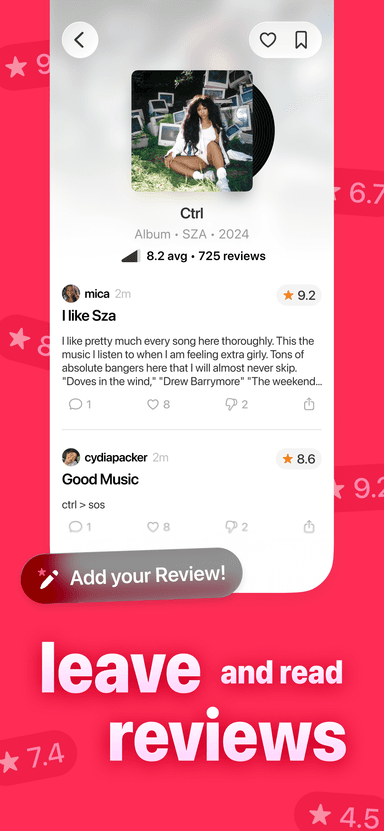
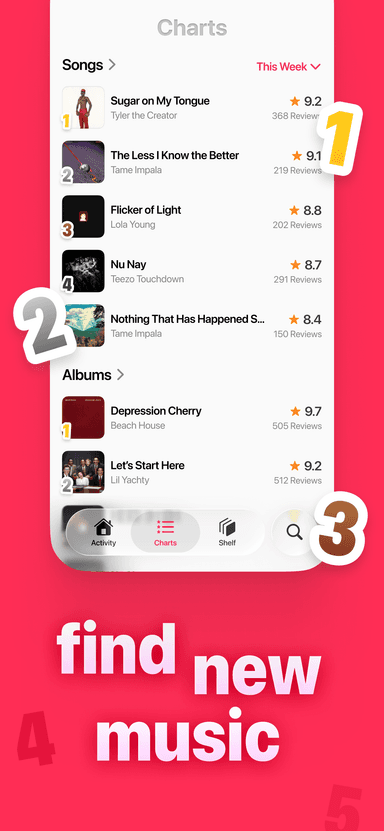
Rate and discover music with friends
pitchfork

pitchfork

People Who Aren’t There Anymore

People Who Aren’t There Anymore

Future Islands (2024)

6.6/ 10

The Baltimore band’s latest is another emotional tour de force that tests the limits of their long-running sound.

By the time Future Islands scored their first hit, they were already four albums into their career. It’s been nearly a decade to the day since their viral performance of “Seasons (Waiting on You)” on The David Letterman Show, a milestone that was hardly a starting point for the band: “I was actually holding back,” singer and lyricist Samuel T. Herring has said of his rousing stage demeanor during the show. “That’s what was going on in my head—don’t go too far.” The implication there is that some part of him knew he’d have the chance to go further.

“If I said too much, please let me know,” Herring sings on “The Thief,” a sparkling highlight from Future Islands’ new album People Who Aren’t There Anymore. It’s a jarring sentiment to hear from someone who proudly dances like everyone’s watching, who usually has so much to say that he moonlights as a rapper. And though the Baltimore band has hardly drifted from their new wave-filtered synth-pop in the past decade, People makes it clear that things have changed.

The album largely revolves around Herring’s breakup with a long-term, long-distance partner, with whom he used to spend the bulk of his time in her native Sweden. Travel restrictions during the height of the pandemic meant the pair were often apart for months at a time, though it wasn’t until after Herring began writing People that they decided to split for good, meaning these 12 tracks follow Herring’s heartbreak in real time. During the album’s first half, he ponders sending messages in bottles across the ocean, counts the days until he gets to board his next plane to Sweden, and mulls over the agony of having to text his partner “good morning” just before he falls asleep—a seemingly innocuous interaction that only amplifies the physical distance between them.

Herring has sung about grief, heartbreak, and disappointment several albums over now, and though the events that underscore People have surely impacted him—“Regret and fear have an appetite,” he laments on the up-tempo dance number “Give Me the Ghost Back”—it feels at times that he’s running out of ways to evoke his strifes, his passionate yowls lessened by his clichés. His imagery on the punchy album opener “King of Sweden” is hampered by weak rhymes like “I’m always flyin’/So I’m always cryin’” and sentiments of feeling 15 years old again. The funky, bass-thumping “Say Goodbye” harps on the logistical difficulties of connection across time zones, as Herring measures past time by how many cigarettes he’s smoked.

The real difficulty lies in the fact that even if this is the most catastrophic heartbreak that’s ever happened to Herring, the band is content to write essentially some version of the same songs they’ve been writing for the past decade. They are good songs, but it’s almost impossible to draw any deeper meaning from Herring’s writing while it seems like the sequel of a sequel of a sequel. The synths are perpetually new wave, the drums are sturdy and out of the way, the guitars are only there for a little texture. Future Islands still sound the same as they did on Letterman, indicating that the band’s biggest strength still lies in Herring’s ability to command a stage rather than the studio.

And Herring knows he tends to succumb to a fruitless cycle: Album closer “The Garden Wheel” is perhaps People’s best example of his metaphorical writing. He analogizes his fizzling relationship to a garden that’s been excessively tended to: “We worked the earth so much/It turned to dust,” he sings over a mellow, guitar-forward instrumental. But the line can also serve as a symbol of Future Islands’ approach to their art: You can’t always return to the same soil expecting new growth.

By the time [Future Islands](https://pitchfork.com/artists/28423-future-islands/) scored their first hit, they were already four albums into their career. It’s been nearly a decade to the day since their viral performance of “[Seasons (Waiting on You)](https://www.youtube.com/watch?v=upPl9mZW_zw&ab_channel=Letterman)” on *The David Letterman Show,* a milestone that was hardly a starting point for the band: “I was actually holding back,” singer and lyricist Samuel T. Herring [has said](https://www.independent.co.uk/arts-entertainment/music/features/future-islands-samuel-t-herring-interview-david-letterman-as-long-as-you-are-b837108.html) of his rousing stage demeanor during the show. “That’s what was going on in my head—don’t go too far.” The implication there is that some part of him knew he’d have the chance to go further. “If I said too much, please let me know,” Herring sings on “The Thief,” a sparkling highlight from Future Islands’ new album *People Who Aren’t There Anymore.* It’s a jarring sentiment to hear from someone who proudly dances like everyone’s watching, who usually has so much to say that he moonlights as a [rapper](https://kennysegal.bandcamp.com/album/back-at-the-house). And though the Baltimore band has hardly drifted from their new wave-filtered synth-pop in the past decade, *People* makes it clear that things have changed. The album largely revolves around Herring’s breakup with a long-term, long-distance partner, with whom he used to spend the bulk of his time in her native Sweden. Travel restrictions during the height of the pandemic meant the pair were often apart for months at a time, though it wasn’t until after Herring began writing *People* that they decided to split for good, meaning these 12 tracks follow Herring’s heartbreak in real time. During the album’s first half, he ponders sending messages in bottles across the ocean, counts the days until he gets to board his next plane to Sweden, and mulls over the agony of having to text his partner “good morning” just before he falls asleep—a seemingly innocuous interaction that only amplifies the physical distance between them. Herring has sung about grief, heartbreak, and disappointment several albums over now, and though the events that underscore *People* have surely impacted him—“Regret and fear have an appetite,” he laments on the up-tempo dance number “Give Me the Ghost Back”—it feels at times that he’s running out of ways to evoke his strifes, his passionate yowls lessened by his clichés. His imagery on the punchy album opener “King of Sweden” is hampered by weak rhymes like “I’m always flyin’/So I’m always cryin’” and sentiments of feeling 15 years old again. The funky, bass-thumping “Say Goodbye” harps on the logistical difficulties of connection across time zones, as Herring measures past time by how many cigarettes he’s smoked. The real difficulty lies in the fact that even if this is the most catastrophic heartbreak that’s ever happened to Herring, the band is content to write essentially some version of the same songs they’ve been writing for the past decade. They are good songs, but it’s almost impossible to draw any deeper meaning from Herring’s writing while it seems like the sequel of a sequel of a sequel. The synths are perpetually new wave, the drums are sturdy and out of the way, the guitars are only there for a little texture. Future Islands still sound the same as they did on *Letterman,* indicating that the band’s biggest strength still lies in Herring’s ability to command a stage rather than the studio. And Herring knows he tends to succumb to a fruitless cycle: Album closer “The Garden Wheel” is perhaps *People*’s best example of his metaphorical writing. He analogizes his fizzling relationship to a garden that’s been excessively tended to: “We worked the earth so much/It turned to dust,” he sings over a mellow, guitar-forward instrumental. But the line can also serve as a symbol of Future Islands’ approach to their art: You can’t always return to the same soil expecting new growth.

Rate music on Wavelength

Download Wavelength to share your own reviews and see what your friends think.

Rate music on Wavelength

A free place to rate albums and write reviews with friends. Letterboxd-style, for music.

Download on the App Store