Wavelength
Wavelength
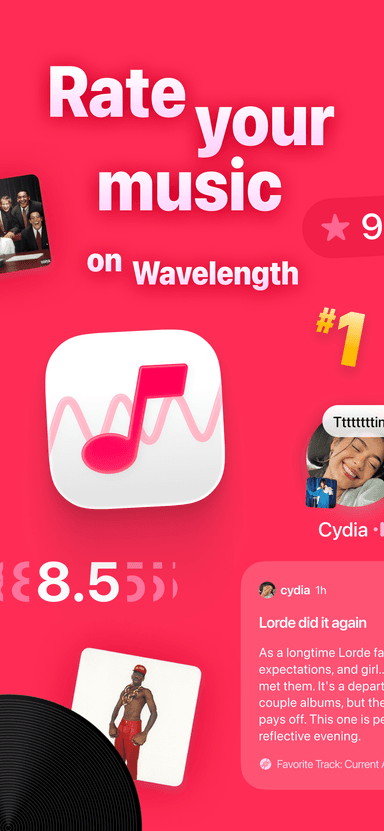
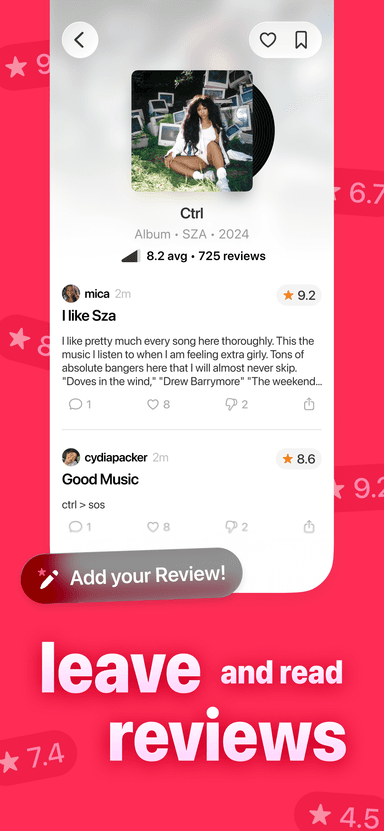
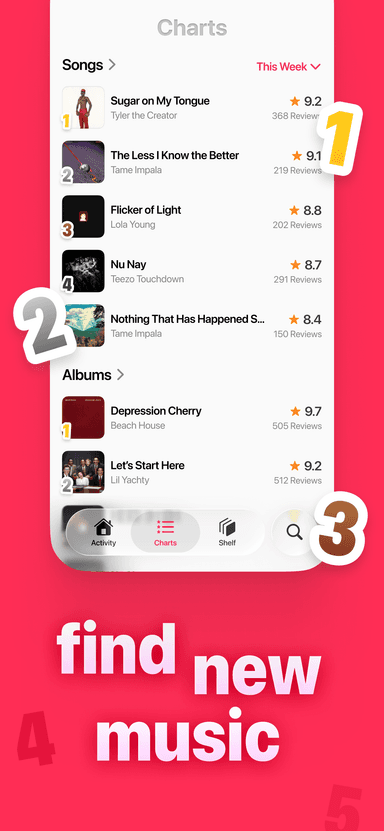
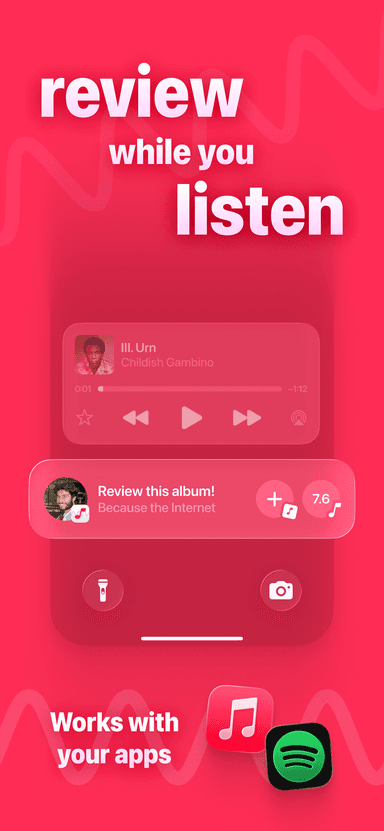
Rate and discover music with friends
rollingstone

rollingstone

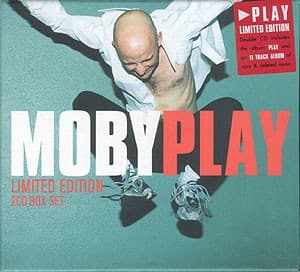
Play

Play

Moby (2000)

8.0/ 10

Since he put New York on the techno map with the seminal 1990 trance track "Go," Moby has gone on to become a decent punk rocker, a virtuous ambient doodler and an even better soundtrack composer. But his calling remains convention-twisting, explosively emotive dance music. With Play, electronica's outspoken icon bounces back to make the […]

Since he put New York on the techno map with the seminal 1990 trance track "Go," Moby has gone on to become a decent punk rocker, a virtuous ambient doodler and an even better soundtrack composer. But his calling remains convention-twisting, explosively emotive dance music. With Play, electronica's outspoken icon bounces back to make the true successor to his club-centered 1995 landmark, Everything Is Wrong.

Whereas that album focused on booming, four-to-the-floor tech pop, Play embraces both hip-hop syncopations and Alan Lomax's field recordings of early-twentieth-century African-American folk music to create time-traveling beatbox hymns. "Honey" features Bessie Jones' bluesy vamp over plunking piano and shuffling funk. "Why Does My Heart Feel So Bad?" showcases anguished gospel cries on a stage of glowing synths, while "Bodyrock" simultaneously suggests Fatboy Slim and Joy Division. Moby sing-speaks, plays innumerable instruments and crafts complex soulful harmonies out of simple, alienated elements. The ebb and flow of eighteen concise, contrasting cuts writes a story about Moby's beautifully conflicted interior world while giving the outside planet beats and tunes on which to groove. Read it with your heart and hips.

Since he put New York on the techno map with the seminal 1990 trance track "Go," Moby has gone on to become a decent punk rocker, a virtuous ambient doodler and an even better soundtrack composer. But his calling remains convention-twisting, explosively emotive dance music. With Play, electronica's outspoken icon bounces back to make the true successor to his club-centered 1995 landmark, Everything Is Wrong. Whereas that album focused on booming, four-to-the-floor tech pop, Play embraces both hip-hop syncopations and Alan Lomax's field recordings of early-twentieth-century African-American folk music to create time-traveling beatbox hymns. "Honey" features Bessie Jones' bluesy vamp over plunking piano and shuffling funk. "Why Does My Heart Feel So Bad?" showcases anguished gospel cries on a stage of glowing synths, while "Bodyrock" simultaneously suggests Fatboy Slim and Joy Division. Moby sing-speaks, plays innumerable instruments and crafts complex soulful harmonies out of simple, alienated elements. The ebb and flow of eighteen concise, contrasting cuts writes a story about Moby's beautifully conflicted interior world while giving the outside planet beats and tunes on which to groove. Read it with your heart and hips.

Rate music on Wavelength

Download Wavelength to share your own reviews and see what your friends think.

Other reviews of Play

Rate music on Wavelength

A free place to rate albums and write reviews with friends. Letterboxd-style, for music.

Download on the App Store