Wavelength
Wavelength
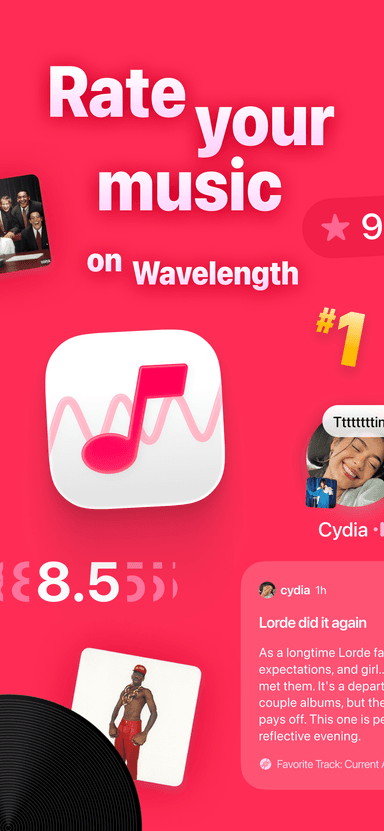
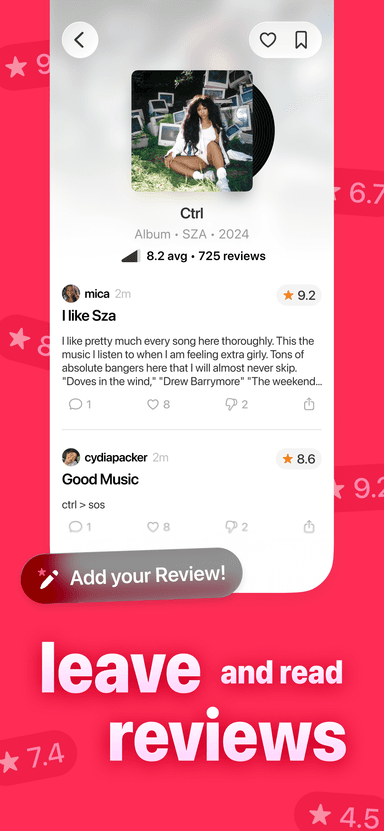
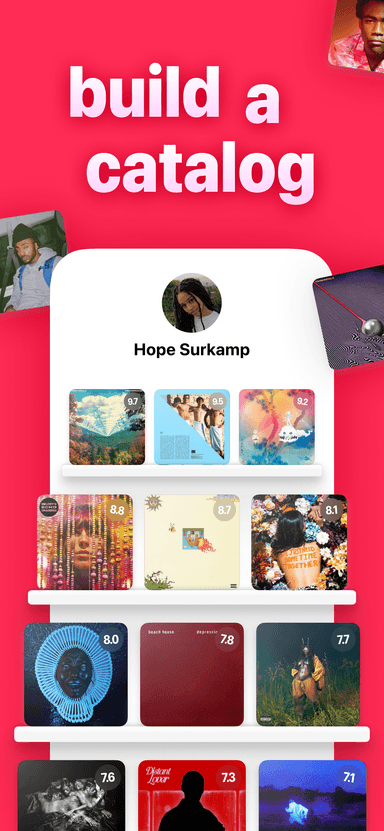
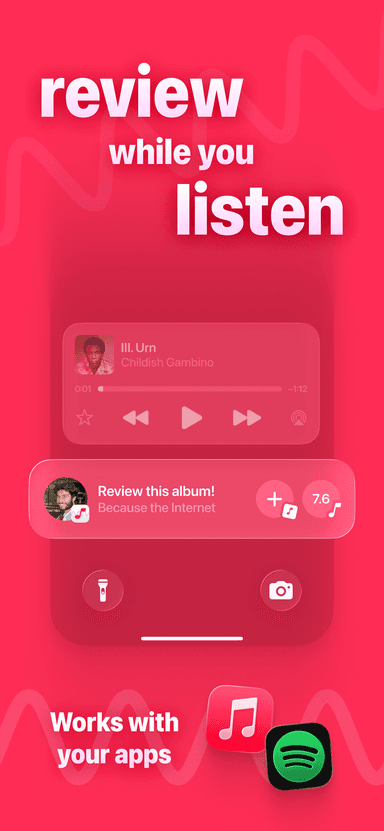
Rate and discover music with friends
pastemagazine

pastemagazine

Blurrr

Blurrr

Joanne Robertson (2025)

8.8/ 10

The Glaswegian painter, poet, and singer-songwriter’s folksy approach to improvisation is minimal yet loaded with emotion on her sixth album.

I like to think that I am my best self when I’m unplugged in the Adirondacks, which I try to visit every summer. Without cell service or Wi-Fi, I’m not entirely unburdened, but I’m freer to express what’s troubling me. I can reckon with it without rushing through it, and I can redirect my attention to the people and plants surrounding me. I can unfurl. “Unfurling” is how it feels to listen to Glasgow-based painter, poet, and musician Joanne Robertson’s heartfelt improvisations. Armed with an acoustic guitar and a disarming voice, her songs bloom in unwieldy, striking ways, coalescing into a garden of folksy artistry at the midpoint between Arthur Russell and Hope Sandoval. On Blurrr, her second solo outing for AD93 and sixth album overall, Robertson’s solo songs emerge as cloudy exercises in emotional record-keeping, smoothed and sweetened by Oliver Coates’ wondrous strings. It’s a haunting collection of delicate songs with an overall smoothness and occasional flashes of discord that make them truly unforgettable.

It’s no secret that improvisation is central to Robertson’s multidisciplinary artistic practice; she’s said as much in multiple interviews. She also doesn’t pretend this makes her a master of conjuring melodies from nothing; she knows how much improvisation is at the heart of many artists’ practices, like her longtime favorite John Coltrane or genre-agnostic composer John Zorn. In an interview with ArtReview, she notes: “I think improvisation’s a funny word because I think that’s how everyone writes music; they just start playing. They don’t, sort of, write it down, necessarily.” Robertson differs in that she starts and ends with improvisation; her albums are mixed and mastered, but they meander hazily like a demo tape. Each track on Blurrr was written and self-recorded, as she notes, “in between painting sessions and also whilst raising a child.” The songs are stretches of inspiration bottled as soon as they’re found. Some lyrics come from Robertson’s growing collection of poetry; some she discovers on the spot. Her appreciation for method over the strictures of genre finds root in her Blackpool youth, where one might find a bit of everything—punk rock, experimental jazz, jungle—in close quarters with the coarse energy of seaside living.

Blurrr opens with “Ghost,” where Robertson’s guitar rumbles with each gentle strum, coating the song with a sense of doom not unlike Dragging a Dead Deer Up a Hill-era Grouper, but with more entropy. She croons, “Through time you stand still,” carefully but unflinchingly directing her voice toward the heavens while her instrument languishes beneath her. Her bellowing strums give way to a deep, intricate melody on “Why Me,” whose figurative lyrics converge into one striking image of embodied connection and nourishment: “At least I’ll be lyin’ down here / Waitin’ for the rain / Waitin’ for your hands / To kindly take mine / Again.” She sings with composure, but little imperfections give the song a charming, humanistic quality. “Friendly” is even brighter. The foundational guitar loop feels grounding for what is ultimately a sunny seven-minute-long saunter with no immediate destination or catalyst.

Fresh off the Venice premiere of the historical fantasy he scored, 100 Nights of Hero, fellow Glaswegian Oliver Coates adds string flourishes on three of Blurrr’s nine tracks. Collaboration is just as central to Robertson’s practice as improvisation, and the two musicians lend themselves well to each other. And there is something to be said about having a counterpart willing to sojourn with you, where the trust must be so strong and palpable that the listener can feel it, too. You can hear exercises of faith and fast trust all over her collaborations with experimental singer-songwriter Dean Blunt and contemporary artist Sidsel Meineche Hansen, but, together, Robertson and Coates strike their own balance. On “Always Were,” Coates’ strings add constancy below Robertson’s restless fingerpicking, enveloping her vocals with a lush, cooling breeze. There’s something romantic about the way her guitar skitters on “Gown,” flanked by Coates’ string swells. And yet, the song still feels muted when it reaches little peaks, as the tandem are careful not to give in to melodrama. On “Doubt,” Coates’ soft drones and gentle tremolos provide a quiet glow around Robertson’s impassioned, collected vocals. Each Robertson/Coates effort has an emotional richness that makes the other six tracks’ sparseness feel like urgent choices, all meant to be studied with precious focus.

What initially drew me to Blurrr was the cover art. It has the slight fuzziness of a cell phone camera negotiating the bright pink lights that cascade around Robertson’s inviting but ambiguous glance. Like her music, it appears improvised—like an image that came about through the quotidian experience of documenting one’s daily living without an express purpose. I have plenty of selfies on my phone that I’ve taken in passing for reasons I haven’t yet identified, and I’m not in a rush to find one. Robertson’s music, solo and in collaboration, has a similar appeal. Grounded in spontaneity, Blurrr lets the emotions unwind as they may, in fleeting moments she finds throughout the day. Each song is a conversation between her body, her mind, and her guitar. Even when Coates is in the picture, he doesn’t feel like he’s barging in on anything. Improvisation isn’t a practice of randomness so much as it’s a practice of setting intentions and being open to what may come from them, making room for imperfections—discordant tones, phrases that don’t make immediate sense, instrumental/vocal balances that feel off—and letting them hover in place and take on meaning. Blurrr follows those intentions from their most haunting places (“Ghost”) to their most luminous (“Always Were”), all while remaining open-ended enough to act like invitations. As a listener, there’s no better approach than saying “yes, and.”

Devon Chodzin is a Pittsburgh-based critic and urban planner with bylines at Aquarium Drunkard, Stereogum, Bandcamp Daily and more. He can be found on social media, sometimes.

I like to think that I am my best self when I’m unplugged in the Adirondacks, which I try to visit every summer. Without cell service or Wi-Fi, I’m not entirely unburdened, but I’m freer to express what’s troubling me. I can reckon with it without rushing through it, and I can redirect my attention to the people and plants surrounding me. I can unfurl. “Unfurling” is how it feels to listen to Glasgow-based painter, poet, and musician Joanne Robertson’s heartfelt improvisations. Armed with an acoustic guitar and a disarming voice, her songs bloom in unwieldy, striking ways, coalescing into a garden of folksy artistry at the midpoint between Arthur Russell and Hope Sandoval. On Blurrr, her second solo outing for AD93 and sixth album overall, Robertson’s solo songs emerge as cloudy exercises in emotional record-keeping, smoothed and sweetened by Oliver Coates’ wondrous strings. It’s a haunting collection of delicate songs with an overall smoothness and occasional flashes of discord that make them truly unforgettable. It’s no secret that improvisation is central to Robertson’s multidisciplinary artistic practice; she’s said as much in multiple interviews. She also doesn’t pretend this makes her a master of conjuring melodies from nothing; she knows how much improvisation is at the heart of many artists’ practices, like her longtime favorite John Coltrane or genre-agnostic composer John Zorn. In an interview with ArtReview, she notes: “I think improvisation’s a funny word because I think that’s how everyone writes music; they just start playing. They don’t, sort of, write it down, necessarily.” Robertson differs in that she starts and ends with improvisation; her albums are mixed and mastered, but they meander hazily like a demo tape. Each track on Blurrr was written and self-recorded, as she notes, “in between painting sessions and also whilst raising a child.” The songs are stretches of inspiration bottled as soon as they’re found. Some lyrics come from Robertson’s growing collection of poetry; some she discovers on the spot. Her appreciation for method over the strictures of genre finds root in her Blackpool youth, where one might find a bit of everything—punk rock, experimental jazz, jungle—in close quarters with the coarse energy of seaside living. Blurrr opens with “Ghost,” where Robertson’s guitar rumbles with each gentle strum, coating the song with a sense of doom not unlike Dragging a Dead Deer Up a Hill-era Grouper, but with more entropy. She croons, “Through time you stand still,” carefully but unflinchingly directing her voice toward the heavens while her instrument languishes beneath her. Her bellowing strums give way to a deep, intricate melody on “Why Me,” whose figurative lyrics converge into one striking image of embodied connection and nourishment: “At least I’ll be lyin’ down here / Waitin’ for the rain / Waitin’ for your hands / To kindly take mine / Again.” She sings with composure, but little imperfections give the song a charming, humanistic quality. “Friendly” is even brighter. The foundational guitar loop feels grounding for what is ultimately a sunny seven-minute-long saunter with no immediate destination or catalyst. Fresh off the Venice premiere of the historical fantasy he scored, 100 Nights of Hero, fellow Glaswegian Oliver Coates adds string flourishes on three of Blurrr’s nine tracks. Collaboration is just as central to Robertson’s practice as improvisation, and the two musicians lend themselves well to each other. And there is something to be said about having a counterpart willing to sojourn with you, where the trust must be so strong and palpable that the listener can feel it, too. You can hear exercises of faith and fast trust all over her collaborations with experimental singer-songwriter Dean Blunt and contemporary artist Sidsel Meineche Hansen, but, together, Robertson and Coates strike their own balance. On “Always Were,” Coates’ strings add constancy below Robertson’s restless fingerpicking, enveloping her vocals with a lush, cooling breeze. There’s something romantic about the way her guitar skitters on “Gown,” flanked by Coates’ string swells. And yet, the song still feels muted when it reaches little peaks, as the tandem are careful not to give in to melodrama. On “Doubt,” Coates’ soft drones and gentle tremolos provide a quiet glow around Robertson’s impassioned, collected vocals. Each Robertson/Coates effort has an emotional richness that makes the other six tracks’ sparseness feel like urgent choices, all meant to be studied with precious focus. What initially drew me to Blurrr was the cover art. It has the slight fuzziness of a cell phone camera negotiating the bright pink lights that cascade around Robertson’s inviting but ambiguous glance. Like her music, it appears improvised—like an image that came about through the quotidian experience of documenting one’s daily living without an express purpose. I have plenty of selfies on my phone that I’ve taken in passing for reasons I haven’t yet identified, and I’m not in a rush to find one. Robertson’s music, solo and in collaboration, has a similar appeal. Grounded in spontaneity, Blurrr lets the emotions unwind as they may, in fleeting moments she finds throughout the day. Each song is a conversation between her body, her mind, and her guitar. Even when Coates is in the picture, he doesn’t feel like he’s barging in on anything. Improvisation isn’t a practice of randomness so much as it’s a practice of setting intentions and being open to what may come from them, making room for imperfections—discordant tones, phrases that don’t make immediate sense, instrumental/vocal balances that feel off—and letting them hover in place and take on meaning. Blurrr follows those intentions from their most haunting places (“Ghost”) to their most luminous (“Always Were”), all while remaining open-ended enough to act like invitations. As a listener, there’s no better approach than saying “yes, and.” Devon Chodzin is a Pittsburgh-based critic and urban planner with bylines at Aquarium Drunkard, Stereogum, Bandcamp Daily and more. He can be found on social media, sometimes.

Rate music on Wavelength

Download Wavelength to share your own reviews and see what your friends think.

Rate music on Wavelength

A free place to rate albums and write reviews with friends. Letterboxd-style, for music.

Download on the App Store