Wavelength
Wavelength
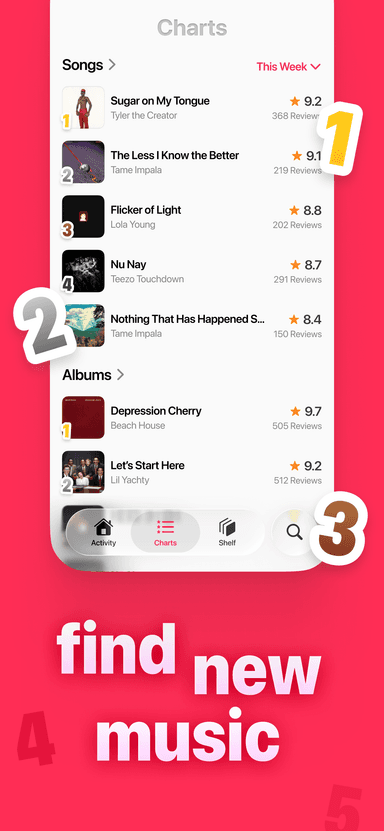
Rate and discover music with friends
pitchfork

pitchfork

Horror

Horror

Bartees Strange (2025)

6.5/ 10

The genre-blurring indie rocker’s third album—half co-produced by Jack Antonoff—is ambitious and messy, grappling with deep-seated fears about the search for stability in a world of dread.

Bartees Strange is a professional misfit. “Genres keep us in our boxes,” he rapped on 2020’s Live Forever, an indelible debut that swerved from big-hearted emo hooks to Auto-Tuned rap brooding to lo-fi acoustic textures. Since then, Strange has remained impossible to pin down, reveling in his contradictions on 2022’s Farm to Table and refusing to dial down his Blackness to suit predominantly white indie-rock spaces. Strange isn’t the kind of artist who siloes his various alter egos into differently named aliases, like, say, MF DOOM. They’re all Bartees Strange. “Prince is an amazing electronic artist, an amazing rock artist, an amazing pop artist,” the Baltimore-based musician recently told an interviewer. “But he’s just Prince, you know? That’s what I want.”

On his third album, Horror, Strange is no longer the scrappy underdog he once was. He’s now an established name, with a headlining tour under his belt and producer-to-the-stars Jack Antonoff joining him in the studio. But, as a million boilerplate music biopics will tell you, success doesn’t wash away insecurities, and on Horror, a loose concept album about facing his deepest fears, Strange confronts many of his own, from nagging career doubts (“Wants Needs”) to romantic strife (“Lovers”). It’s a deceptively confident album about navigating a lack of confidence—not nearly as macabre as its artwork, which outfits Strange like the vampire hunter Blade, might suggest, but instead mired in the mundanely messy work of searching for safety and companionship in a world of dread.

“I need somebody to hold me down to the earth,” Strange sings on Antonoff-produced opener “Too Much,” an uneasy love letter to himself that lurches from falsetto-laced soul to free-associative rap-rock and back again. The artist’s genre-hopping is intact, but the production is slicker this time, and the leaps don’t always land: “Too Much” leads into “Hit It Quit It,” a funk-rock groove that’s supple and light on its feet but never funky enough to live up to its Sly Stone and Stevie Wonder name-checks. The throbbing, nocturnal house of “Lovers” makes for a compelling sequel to Live Forever deep cut “Flagey God,” but the hip-hop travelogue “Norf Gun,” a collaboration with the rap duo They Hate Change, can’t summon enough globe-trotting exuberance to transcend its toothless pop-rap backing.

This time around, those sharp tonal shifts, like the faux-spooky album cover, feel a little like red herrings. The heart of Horror lies in a mellower suite of songs that cull from soul and retro AOR touchstones—stirring songs in which Strange yearns for a measure of stability and acceptance. “Sober” unlocks some nascent Fleetwood Mac gene in Strange’s songwriting, with driving rhythms and a huge, swelling climax, while “Baltimore” is restrained but gorgeous, a soft-rock meditation on culture clash and the fraught business of finding somewhere to settle down in a country steeped in racism: “When I think about places I could live,” Strange croons, “I wonder if one’s good enough to raise a few Black kids.” The richly textured “Lie 95” is equally impressive, a song about searching for love that packs big hooks, and big heart, in its ’80s-nostalgia moodboard. “I feel focused,” Strange yowls, “on lifting you up.” Even when he’s mired in his own fears, a spirit of generosity animates his writing.

Antonoff’s presence on this album will likely be divisive. The ubiquitous studio wiz, who co-produced half the tracks here, is more versatile than his haters like to admit—in the past year, he’s helmed both Kendrick Lamar’s GNX and Sabrina Carpenter’s unflappable earworm “Please Please Please”—but raw, guitar-driven indie rock is a code he can’t quite crack. (And no, Bleachers is not raw, guitar-driven indie rock.) Horror lacks some of the DIY immediacy of Strange’s first two records. A new degree of studio polish is palpable, from the weirdly inert drum sound that anchors “Too Much” to the strikingly slick bridge that interrupts “Backseat Banton” with hopeful aphorisms about character growth (“Being scared has made me bigger now/Bigger than I was”).

But with Antonoff’s blockbuster-coded fingerprints on the record, the hooks also go bigger than before, and Strange’s heart and fierce desire for connection bleed through. Those elements alight on “Wants Needs,” a roaring pop-punk banger in which Strange grapples with his desire (and economic need) for a fanbase that supports him. “I need you too,” the singer admits, “when it’s all said and done.” The song is a plea that there will be an audience on the other end—listening, singing along. For a career musician, no horror spooks quite like the horror of an empty room.

[Bartees Strange](https://pitchfork.com/artists/bartees-strange/) is a professional misfit. “Genres keep us in our boxes,” [he rapped](https://www.youtube.com/watch?v=AKzqUjUmbTQ) on 2020’s [Live Forever](https://pitchfork.com/reviews/albums/bartees-strange-live-forever/), an indelible debut that swerved from big-hearted emo hooks to Auto-Tuned rap brooding to lo-fi acoustic textures. Since then, Strange has remained impossible to pin down, reveling in his contradictions on 2022’s [Farm to Table](https://pitchfork.com/reviews/albums/bartees-strange-farm-to-table/) and refusing to dial down his Blackness to suit predominantly white indie-rock spaces. Strange isn’t the kind of artist who siloes his various alter egos into differently named aliases, like, say, [MF DOOM](https://pitchfork.com/artists/2751-mf-doom/). They’re all Bartees Strange. “[Prince](https://pitchfork.com/artists/3397-prince/) is an amazing electronic artist, an amazing rock artist, an amazing pop artist,” the Baltimore-based musician recently [told an interviewer](https://www.washingtonpost.com/style/2025/02/14/bartees-strange-horror/). “But he’s just Prince, you know? That’s what I want.” On his third album, *Horror*, Strange is no longer the scrappy underdog he once was. He’s now an established name, with a headlining tour under his belt and producer-to-the-stars [Jack Antonoff](https://pitchfork.com/artists/jack-antonoff/) joining him in the studio. But, as a million boilerplate music biopics will tell you, success doesn’t wash away insecurities, and on *Horror*, a loose concept album about [facing his deepest fears](https://www.papermag.com/bartees-strange-horror-album#rebelltitem5), Strange confronts many of his own, from nagging career doubts (“Wants Needs”) to romantic strife (“Lovers”). It’s a deceptively confident album about navigating a lack of confidence—not nearly as macabre as its artwork, which outfits Strange like the vampire hunter Blade, might suggest, but instead mired in the mundanely messy work of searching for safety and companionship in a world of dread. “I need somebody to hold me down to the earth,” Strange sings on Antonoff-produced opener “Too Much,” an uneasy love letter to himself that lurches from falsetto-laced soul to free-associative rap-rock and back again. The artist’s genre-hopping is intact, but the production is slicker this time, and the leaps don’t always land: “Too Much” leads into “Hit It Quit It,” a funk-rock groove that’s supple and light on its feet but never funky enough to live up to its [Sly Stone](https://pitchfork.com/artists/5239-sly-and-the-family-stone/) and [Stevie Wonder](https://pitchfork.com/artists/8316-stevie-wonder/) name-checks. The throbbing, nocturnal house of “Lovers” makes for a compelling sequel to *Live Forever* deep cut “Flagey God,” but the hip-hop travelogue “Norf Gun,” a collaboration with the rap duo [They Hate Change](https://pitchfork.com/artists/they-hate-change/), can’t summon enough globe-trotting exuberance to transcend its toothless pop-rap backing. This time around, those sharp tonal shifts, like the faux-spooky album cover, feel a little like red herrings. The heart of *Horror* lies in a mellower suite of songs that cull from soul and retro AOR touchstones—stirring songs in which Strange yearns for a measure of stability and acceptance. “Sober” unlocks some nascent [Fleetwood Mac](https://pitchfork.com/artists/6026-fleetwood-mac/) gene in Strange’s songwriting, with driving rhythms and a huge, swelling climax, while “Baltimore” is restrained but gorgeous, a soft-rock meditation on culture clash and the fraught business of finding somewhere to settle down in a country steeped in racism: “When I think about places I could live,” Strange croons, “I wonder if one’s good enough to raise a few Black kids.” The richly textured “Lie 95” is equally impressive, a song about searching for love that packs big hooks, and big heart, in its ’80s-nostalgia moodboard. “I feel focused,” Strange yowls, “on lifting you up.” Even when he’s mired in his own fears, a spirit of generosity animates his writing. Antonoff’s presence on this album will likely be divisive. The ubiquitous studio wiz, who co-produced half the tracks here, is more versatile than his haters like to admit—in the past year, he’s helmed both [Kendrick Lamar](https://pitchfork.com/artists/29812-kendrick-lamar/)’s [GNX](https://pitchfork.com/reviews/albums/kendrick-lamar-gnx/) and [Sabrina Carpenter](https://pitchfork.com/artists/sabrina-carpenter/)’s unflappable earworm “Please Please Please”—but raw, guitar-driven indie rock is a code he can’t quite crack. (And no, [Bleachers](https://pitchfork.com/artists/32408-bleachers/) is not raw, guitar-driven indie rock.) *Horror* lacks some of the DIY immediacy of Strange’s first two records. A new degree of studio polish is palpable, from the weirdly inert drum sound that anchors “Too Much” to the strikingly slick bridge that interrupts “Backseat Banton” with hopeful aphorisms about character growth (“Being scared has made me bigger now/Bigger than I was”). But with Antonoff’s blockbuster-coded fingerprints on the record, the hooks also go bigger than before, and Strange’s heart and fierce desire for connection bleed through. Those elements alight on “Wants Needs,” a roaring pop-punk banger in which Strange grapples with his desire (and economic need) for a fanbase that supports him. “I need you too,” the singer admits, “when it’s all said and done.” The song is a plea that there will be an audience on the other end—listening, singing along. For a career musician, no horror spooks quite like the horror of an empty room.

Rate music on Wavelength

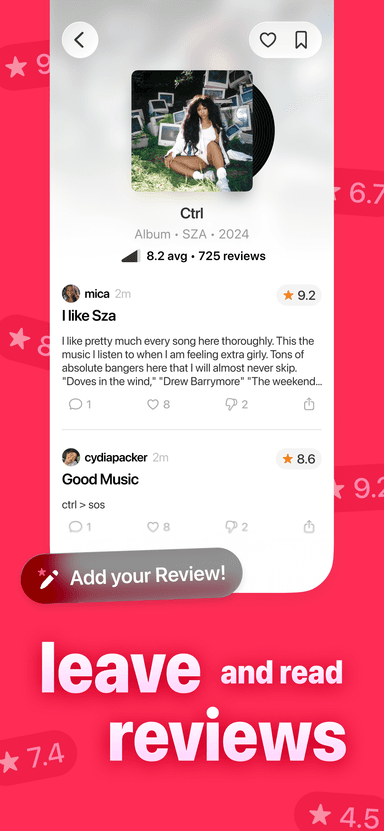
Download Wavelength to share your own reviews and see what your friends think.

Rate music on Wavelength

A free place to rate albums and write reviews with friends. Letterboxd-style, for music.

Download on the App Store