Wavelength
Wavelength
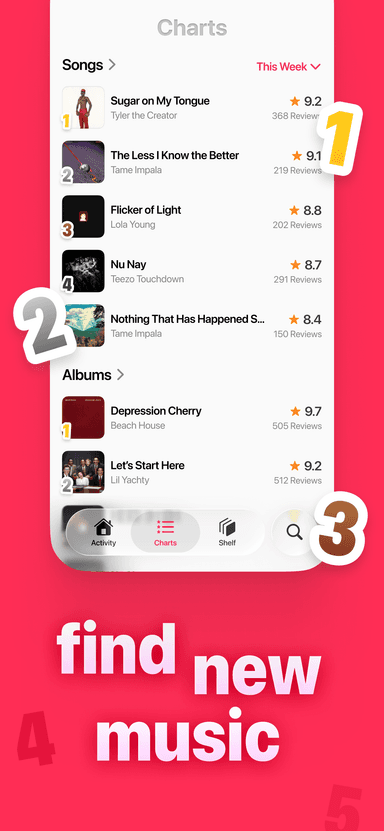
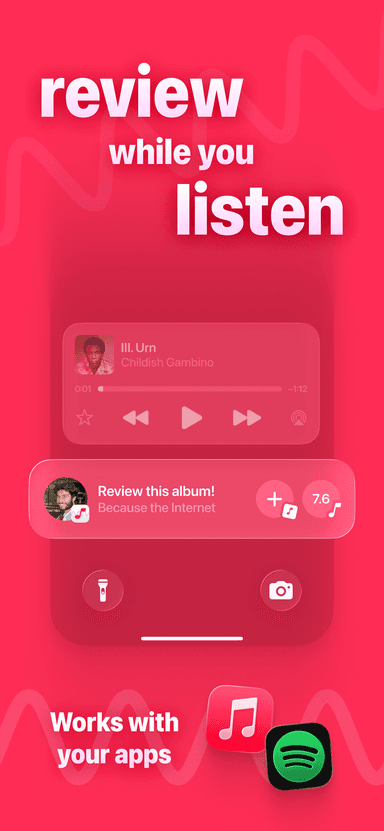
Rate and discover music with friends
thelineofbestfit

thelineofbestfit

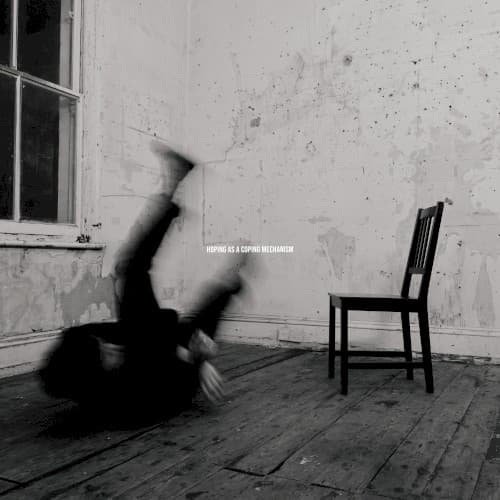
Stardust

Stardust

Danny Brown (2025)

6.0/ 10

Danny Brown drowns in post-hyperpop inspiration on Stardust

You probably were if you were into hyperpop, at least. For everyone who partook in those virtual Zoom concerts and massive Discord-server conversations, hyperpop felt like the center of the world: a new musical scene that truly felt like the future, constructing and contorting and redefining itself in real time for thousands of young netizens stuck in their rooms.

Experimental-rap artiste Danny Brown was just as enthralled by the movement as the rest of us. And while it didn’t take long for the organic movement to splinter into a million pieces post-COVID, leaving the genre-spanning “hyperpop diaspora” in its wake, Brown’s interest in the scene didn’t die with the lockdowns. He’s been teasing a hyperpop-adjacent album for years, putting out one-off singles with a gaggle of internet-music superstars throughout the 2020s and talking excitedly about his continued interest in the genre. All of that hype has culminated in 2025’s Stardust, an album that – just as promised – tilts unabashedly into the diaspora and its diverse array of sounds.

“For me, it was really about having fun making music again,” he said in an interview with Ringtone Magazine late last year about the making of Stardust. “For years my songs dealt with depression and my mental health, so now that I’m sober I focus more on the positives and just being a fan of the scene. I feel so honored that I’m able to work with them.”

On this album, Danny Brown’s reverence of that movement is

palpable; as a result, he mostly steps back and lets his featured

artists take the creative lead. Across some parts of Stardust,

that decision makes for some of the most thrilling rap music in recent

memory. Brown, however, largely spends this album exploring rather than

refining this expansive stylistic palette, leading to a project that’s

just as imaginative as it is disjointed. After over a decade in the

spotlight, Brown himself clearly isn’t done creating: arguably, he’s at

his peak, writing and rapping as dynamically and introspectively as

ever. Stardust is a beautiful character piece of recovery and hard-fought joy. But it’s so chock-full of inspiration that it drowns in it.

In some ways, there’s an ocean of distance between the hyperpop movement and Danny Brown: Brown’s breakout mixtape XXX

dropped when most of these artists were in grade school, and some are

barely even old enough to drink now. But he’s been known to work with

the boundary pushers of electronic music, from Purity Ring to The

Avalanches to Kelela, not to mention his bombastic, EDM-infused 2023

collab album with JPEGMAFIA. On Stardust, he seems to take

particular inspiration from this newest generation of innovators – this

album’s feature list is a who’s-who of the best post-hyperpop artists

who are still doing it.

However, while these featured

artists hail from the same chronically-online scene, their styles are

anything but alike. Hyperpop itself was inspired by so many disparate

influences that, even at its prime, it could barely be corralled into a

single category; as the movement died, adjacent artists went on to make

everything from bright electropop to heavy shoegaze to turbocharged rap

music. The result of putting much of that entire umbrella on one album

is janky, to say the least: Stardust jolts rapidly from

Quadeca’s dense, artsy folktronica to Cynthoni’s depressive, expansive

drum-and-bass atmospheres to Underscores’s cheeky and nostalgic

synthpop. It’s a clash of genres so dramatic that the album often feels

more like a compilation of Danny Brown features than a cohesive product.

While the music isn’t consistent, though, Brown himself usually is. He has called Stardust

an album of healing: it’s the first project he’s made fully sober, and

his writing largely lingers on that process of recovery. He’s always

been self-reflective about his issues with substance abuse, but here he

raps about the same in the past tense. On the opener, “Book of Daniel,”

he says: “Sleepin’ real good at night ‘cause I’m proud of myself / Say a

prayer when I wake up because that rehab helped”. On the closer,

“All4U,” he raps: “when I’m on stage, I look at your face, knowing each

one is a gift from grace”.

That’s only some of the album, though. When he’s not

reflecting on his past, he’s as loose as we’ve seen him – bragging,

dropping self-help-esque motivational one-liners, writing bars like “my

bitch be thick like Mewtwo” and “punchlines weak like putting water in

ketchup”. In these moments, you can tell just how fun this album was to

make. During the introspective tracks, you can tell just how cathartic

it was. And through every moment of the album, braggadocious or somber,

Brown’s performances permeate pure hope. He always sounds inspired,

appreciative of what he’s survived, stoked to be making an album this

creatively unbounded.

Hyperpop served that same purpose for a lot of artists

during its peak. It was also an escape and a celebration, exhilarating

and contemplative, with musicians writing saccharine and joyful and

exaggerated and often-satirical pop music amidst the worst year in all

of our lives. At the core of the movement and all those conflicting

feelings was always a sense of freedom, the feeling that being

behind a microphone or a DAW allowed you to do whatever you want, to

become whoever you wanted to be, even if the rest of the world continued

to be on fire around you. That unrestrained creativity and resilience

is on display through all of Stardust, strengthened by Brown’s

obvious excitement to just be making this album, to be free from

addiction and depression, to be happier than ever. But it’s so

unrestrained that it sometimes loses its grip, condensing several albums

worth of ideas into a single project that isn’t quite as compelling as

the sum of its parts, the sum of its collaborators, or the sum of its

energy.

You probably were if you were into hyperpop, at least. For everyone who partook in those virtual Zoom concerts and massive Discord-server conversations, hyperpop felt like the center of the world: a new musical scene that truly felt like the future, constructing and contorting and redefining itself in real time for thousands of young netizens stuck in their rooms. Experimental-rap artiste Danny Brown was just as enthralled by the movement as the rest of us. And while it didn’t take long for the organic movement to splinter into a million pieces post-COVID, leaving the genre-spanning “hyperpop diaspora” in its wake, Brown’s interest in the scene didn’t die with the lockdowns. He’s been teasing a hyperpop-adjacent album for years, putting out one-off singles with a gaggle of internet-music superstars throughout the 2020s and talking excitedly about his continued interest in the genre. All of that hype has culminated in 2025’s Stardust, an album that – just as promised – tilts unabashedly into the diaspora and its diverse array of sounds. “For me, it was really about having fun making music again,” he said in an interview with Ringtone Magazine late last year about the making of Stardust. “For years my songs dealt with depression and my mental health, so now that I’m sober I focus more on the positives and just being a fan of the scene. I feel so honored that I’m able to work with them.” On this album, Danny Brown’s reverence of that movement is palpable; as a result, he mostly steps back and lets his featured artists take the creative lead. Across some parts of Stardust, that decision makes for some of the most thrilling rap music in recent memory. Brown, however, largely spends this album exploring rather than refining this expansive stylistic palette, leading to a project that’s just as imaginative as it is disjointed. After over a decade in the spotlight, Brown himself clearly isn’t done creating: arguably, he’s at his peak, writing and rapping as dynamically and introspectively as ever. Stardust is a beautiful character piece of recovery and hard-fought joy. But it’s so chock-full of inspiration that it drowns in it. In some ways, there’s an ocean of distance between the hyperpop movement and Danny Brown: Brown’s breakout mixtape XXX dropped when most of these artists were in grade school, and some are barely even old enough to drink now. But he’s been known to work with the boundary pushers of electronic music, from Purity Ring to The Avalanches to Kelela, not to mention his bombastic, EDM-infused 2023 collab album with JPEGMAFIA. On Stardust, he seems to take particular inspiration from this newest generation of innovators – this album’s feature list is a who’s-who of the best post-hyperpop artists who are still doing it. However, while these featured artists hail from the same chronically-online scene, their styles are anything but alike. Hyperpop itself was inspired by so many disparate influences that, even at its prime, it could barely be corralled into a single category; as the movement died, adjacent artists went on to make everything from bright electropop to heavy shoegaze to turbocharged rap music. The result of putting much of that entire umbrella on one album is janky, to say the least: Stardust jolts rapidly from Quadeca’s dense, artsy folktronica to Cynthoni’s depressive, expansive drum-and-bass atmospheres to Underscores’s cheeky and nostalgic synthpop. It’s a clash of genres so dramatic that the album often feels more like a compilation of Danny Brown features than a cohesive product. While the music isn’t consistent, though, Brown himself usually is. He has called Stardust an album of healing: it’s the first project he’s made fully sober, and his writing largely lingers on that process of recovery. He’s always been self-reflective about his issues with substance abuse, but here he raps about the same in the past tense. On the opener, “Book of Daniel,” he says: “Sleepin’ real good at night ‘cause I’m proud of myself / Say a prayer when I wake up because that rehab helped”. On the closer, “All4U,” he raps: “when I’m on stage, I look at your face, knowing each one is a gift from grace”. That’s only some of the album, though. When he’s not reflecting on his past, he’s as loose as we’ve seen him – bragging, dropping self-help-esque motivational one-liners, writing bars like “my bitch be thick like Mewtwo” and “punchlines weak like putting water in ketchup”. In these moments, you can tell just how fun this album was to make. During the introspective tracks, you can tell just how cathartic it was. And through every moment of the album, braggadocious or somber, Brown’s performances permeate pure hope. He always sounds inspired, appreciative of what he’s survived, stoked to be making an album this creatively unbounded. Hyperpop served that same purpose for a lot of artists during its peak. It was also an escape and a celebration, exhilarating and contemplative, with musicians writing saccharine and joyful and exaggerated and often-satirical pop music amidst the worst year in all of our lives. At the core of the movement and all those conflicting feelings was always a sense of freedom, the feeling that being behind a microphone or a DAW allowed you to do whatever you want, to become whoever you wanted to be, even if the rest of the world continued to be on fire around you. That unrestrained creativity and resilience is on display through all of Stardust, strengthened by Brown’s obvious excitement to just be making this album, to be free from addiction and depression, to be happier than ever. But it’s so unrestrained that it sometimes loses its grip, condensing several albums worth of ideas into a single project that isn’t quite as compelling as the sum of its parts, the sum of its collaborators, or the sum of its energy.

Rate music on Wavelength

Download Wavelength to share your own reviews and see what your friends think.

Rate music on Wavelength

A free place to rate albums and write reviews with friends. Letterboxd-style, for music.

Download on the App Store